





Unveiling the unsung heroes of New Jersey homes, this article delves into the realm of "friendly spiders." Beyond arachnophobic fears, these beneficial eight-legged allies play a crucial role in maintaining a harmonious living space. Explore the diverse species that act as natural pest control agents, weaving webs of ecological balance while dispelling myths about their harmfulness.
Common New Jersey House Spiders
-
- Common House Spider (Parasteatoda tepidariorum):
-
- Size: Small, around 5-8 mm.
-
- Web: Irregular and messy.
-
- Role: Effective in controlling flies, mosquitoes, and other small insects.
-
- Common House Spider (Parasteatoda tepidariorum):
-
- Yellow Sac Spider (Cheiracanthium inclusum):
-
- Size: Small to medium, around 5-10 mm.
-
- Web: Silk sacs in corners or crevices.
-
- Role: Feeds on small pests, helping with natural pest control.
-
- Yellow Sac Spider (Cheiracanthium inclusum):
-
- Cellar Spider (Pholcus phalangioides):
-
- Size: Small, with long, thin legs.
-
- Web: Loose, tangled webs in corners.
-
- Role: Preys on mosquitoes, flies, and other small insects found indoors.
-
- Cellar Spider (Pholcus phalangioides):
-
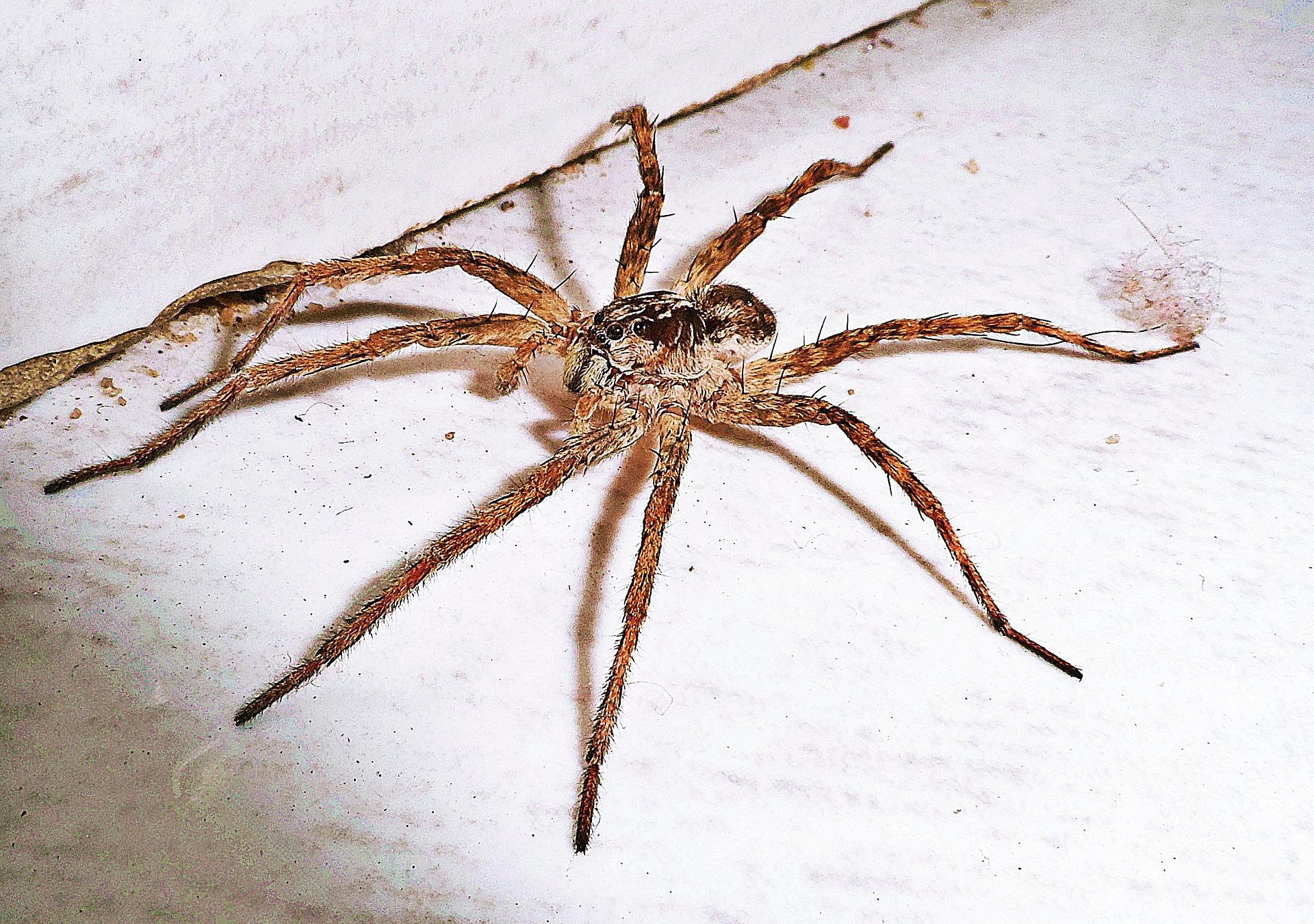
- Wolf Spider (Lycosidae family):
-
- Size: Varied, with stout bodies.
-
- Web: No traditional web; actively hunts prey.
-
- Role: Actively hunts and controls populations of various insects, including cockroaches and beetles.
-
- Wolf Spider (Lycosidae family):
-
- Jumping Spider (Salticidae family):
-
- Size: Small, with stout bodies and large eyes.
-
- Web: Builds silk retreats but actively hunts.
-
- Role: Efficient hunters of pests like flies and mosquitoes, contributing to indoor pest management.
-
- Jumping Spider (Salticidae family):
Misconceptions About Spiders
Spiders often evoke fear and misconceptions, but understanding the truth can alleviate concerns. First, the notion that all spiders are harmful is untrue. Most spiders are harmless and play a crucial role in pest control by preying on insects. Only a few species pose any threat to humans. Secondly, the fear that spiders are aggressive is misplaced. Spiders generally avoid human contact and only bite when provoked or threatened. Their venom is primarily designed for subduing prey, and very few spiders possess venom harmful to humans. Spider bites are infrequent, and the vast majority cause minimal or no harm. Furthermore, the belief that spiders are constantly seeking human contact is inaccurate. They prefer quiet, undisturbed areas where they can hunt and build webs without interference. Regularly cleaning and removing clutter can reduce spider presence. Lastly, the fear that all spiders are venomous and deadly is exaggerated. In reality, the vast majority of spiders have venom that is harmless to humans.Creating a Spider-Friendly Environment
To foster a balanced ecosystem and encourage beneficial spiders in your surroundings, consider the following tips. Embrace diverse plantings in your garden, as a variety of flora attracts a range of insects that can serve as prey for spiders. Incorporate native plants, as they are well-suited to the local environment and support a more robust ecosystem. Design your landscaping to include undisturbed areas where spiders can establish nests and webs without disruption. Avoid excessive use of pesticides, as these can harm both harmful and beneficial insects, disrupting the delicate balance of the ecosystem. Create sheltered spaces with rocks, mulch, or plants that offer hiding spots for spiders. Limit excessive lighting around your property, as bright lights can deter nocturnal spiders and disrupt their hunting behavior. Regularly remove debris and clutter from your outdoor spaces to prevent hiding spots for pests and to give spiders easier access to their prey. By adopting these practices, you can encourage a healthy population of beneficial spiders, contributing to natural pest control and maintaining a harmonious balance within your garden ecosystem.Spider Habitats and Behavior
New Jersey homes and businesses host a variety of spider species, each exhibiting distinct behavior patterns. Common House Spiders prefer quiet, undisturbed areas, often building messy webs in corners or beneath furniture. Yellow Sac Spiders are commonly found near ceilings or upper corners, creating silk sacs for shelter. Cellar Spiders, recognized by their long, thin legs, build loose webs in dark, damp spaces like basements. Wolf Spiders, with no fixed web, actively hunt prey on the ground and are often spotted near windows or doors. Jumping Spiders, characterized by their agile nature and large eyes, can be found on walls or window sills, relying on their exceptional vision for hunting. Understanding these patterns allows homeowners to coexist with spiders beneficial for natural pest control. Regularly cleaning and decluttering spaces can discourage spiders from establishing nests, while maintaining a balance between cleanliness and allowing some undisturbed areas can support their role in controlling unwanted insects.Natural Pest Control Benefits of Spiders
Friendly spiders play a vital role in maintaining a pest-free home by actively preying on a variety of insects. For instance, Common House Spiders and Cellar Spiders target flies, mosquitoes, and small bugs, effectively controlling their populations. Yellow Sac Spiders contribute to pest management by hunting smaller insects. Wolf Spiders are adept hunters of various pests, including cockroaches and beetles, and actively patrol homes for prey. Jumping Spiders, with their keen eyesight, go after flies, moths, and other small insects, preventing infestations. These arachnids serve as natural exterminators, reducing the need for chemical pesticides. Embracing these arachnid allies helps create a more sustainable and eco-friendly approach to pest control, contributing to a healthier living environment.When to Seek Professional Help
While friendly spiders play a crucial role in natural pest control, there are circumstances when professional pest control services are advisable. If you notice a sudden increase in spider sightings, especially if accompanied by webs in multiple areas, it may indicate an infestation. Proliferation of egg sacs or an abundance of spiderlings could also signify a budding issue. Unusual spider behavior, such as increased aggressiveness or spiders appearing in unexpected locations, might warrant professional assessment. Additionally, if you identify potentially harmful species like the brown recluse or black widow, seeking expert help is essential due to their venomous nature. Persistent sightings of other pests, like flies or mosquitoes, despite the presence of spiders, may indicate an imbalance or an ineffective natural control system. Lastly, if there's a concern about health risks associated with spider bites or if someone in the household has allergies to spider venom, consulting professionals becomes crucial for a comprehensive assessment and targeted intervention. Twin-Boro Termite and Pest Control will provide you with a thorough inspection, identify the root cause of the infestation, and implement appropriate measures, ensuring a safe and effective resolution tailored to your specific circumstances. If you think it’s time to implement a spider control plan on your property, call our offices today to schedule a free inspection.