




Knowing the difference between a gnat and a flea matters when it comes to controlling the problem. Fleas and gnats are two common household pests, both irritating in their own way. Although both are tiny, they’re quite different in appearance and behavior. Fleas are parasites that feed on blood, whereas gnats are flying insects drawn to moisture - some species bite, but many don’t.
If your pet's bedding has become overrun with fleas, or you have trouble telling gnats from other small flies around damp areas, act quickly. Our technicians use targeted treatments to eliminate fleas, gnats, and other pests - and keep them from coming back. This comparison covers what you need to tell the two apart.
What Are Gnats?
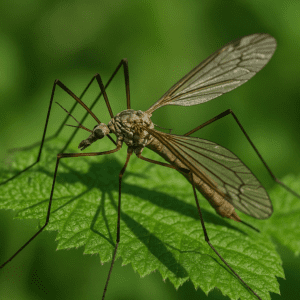
Common gnats are tiny, fragile insects of many species in the suborder Nematocera, including the Sciaridae and Mycetophilidae (fungus gnats) and the biting midges of the Ceratopogonidae. These insects resemble the more familiar fruit flies but behave differently in terms of habitat and feeding preferences. Gnats tend to be drawn to moisture, organic matter, and decaying vegetation - conditions that suit their breeding cycle.
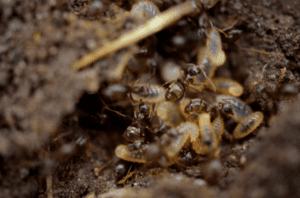
Most gnats are found in warm, moist habitats around homes, yards, and gardens. Indoors, overwatered houseplants are the primary draw, followed by sink drains and rotting food. Outdoors, they cluster around compost piles, wet soil, and stagnant water. Some species, such as fungus gnats, feed on fungi and plant roots, while biting gnats feed on blood and can irritate both humans and animals.
Since gnats reproduce rapidly, it's common to find them either inside or outside of the house. They are small enough to get through open window screening and can fit into very tiny cracks. Good moisture control, removal of rotting organic matter, and healthy plant care help deter them.
What Are Fleas?
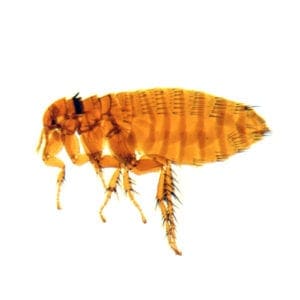
Fleas look like small, wingless insects characterized by the ability to leap long distances relative to their size. They’re external parasites of mammals and birds and survive by feeding on their hosts' blood. With flattened bodies and hard exoskeletons, they’re adapted to maneuver through feathers or fur and to avoid being crushed easily. The most common species are the cat flea, dog flea, and human flea.
Fleas favor warm, humid conditions and occur where their hosts live. Outdoors, they tend to be found in shady spots with soil, grass clippings, or dead leaves. Indoors, fleas prefer pet bedding, carpets, and furniture where their eggs, larvae, and pupae develop. Adults can survive weeks without feeding but need a blood meal to reproduce.
The usual starting point for a flea infestation is pets acquiring fleas from another animal or from an infested environment. Fleas can then rapidly establish a population in a home, laying eggs that fall from the pet and develop in the surrounding areas. They are also vectors for disease, including murine typhus and tapeworms, and cause flea allergy dermatitis in pets after repeated bites. To break the cycle, treat animals with preventatives, vacuum regularly, wash bedding, and implement a flea pest control program in infested areas.
Key Differences Between Fleas and Gnats
Here’s the fastest way to tell them apart: fleas jump, gnats fly. Fleas don’t have wings, so if a tiny insect is buzzing around your kitchen or drifting near your houseplants, it’s not a flea. They’re flat-bodied parasites with powerful legs, typically reddish-brown, and they measure just 1-3 mm. Gnats are a bit larger at 2-4 mm, with slender bodies, long legs, and visible wings, often appearing darker or translucent depending on the species.
Fleas are blood-feeding parasites dependent on mammalian or avian hosts. They live on their hosts, feeding several times daily and depositing eggs that fall into the surroundings. Gnats have more varied behavior - fungus gnats feed on plant material and fungi, while biting gnats require blood. Gnats aren’t parasites, and frequent areas of high moisture or organic debris only.
Habitat preference distinguishes them too. Fleas prefer warm, humid sites close to a host, like carpets, pet bedding, or directly on the animal. Gnats settle near standing water, decaying vegetation, or damp ground. One more pest often confused with fleas is the springtail - a tiny jumping insect in damp spots that doesn't bite and poses no health risk. Managing each pest involves different methods guided by their environment and life cycle.
Gnat Bites vs Flea Bites: How to Tell the Difference
Both fleas and gnats leave bites that vary in shape and affect different parts of the body. Flea bites are small red marks, often in clusters, and they occur wherever the skin is thin, particularly ankles, legs, and waistline. They’re very itchy and often leave swelling or red halos around the puncture site. Excessive scratching may cause secondary infection or allergic reactions.
Gnat bites tend to be more irregular in both width and shape. Biting gnats such as midges or black flies leave small red welts or raised bumps and may cause slight bleeding from the pinpricks left by their cutting mouthparts. These bites are more likely to occur on exposed areas of the body like the face, neck, hands, or arms since gnats don’t burrow under clothing. Gnat bites might also cause localized swelling, itching, and sometimes a burning sensation.
Although both bites can be irritating, gnat bites are thought to be more painful at first, whereas flea bites remain itchy for longer. Fleas are also more persistent, attacking the same area repeatedly, while gnats seem to bite at random intervals. Treatment for both involves cleaning the bite area, reducing the itch with an antihistamine or anti-itch cream, and preventing further exposure.
Frequently Asked Questions
Can gnats be mistaken for fleas?
They can, because both are small and dark in color. The one reliable sign is movement - gnats fly, sometimes in wobbly loops close to your face, while fleas jump and latch on. If wings are visible, it's a gnat.
How can I tell if a bug is a flea?
Fleas are small, wingless, flattened, and about the size of a sesame seed. They jump when you disturb them. For confirmation, separate your pet's fur and look for flea dirt - small dark specks of dried blood left behind after feeding.
What kills gnats immediately?
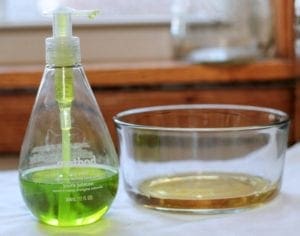
A shallow bowl of apple cider vinegar with a few drops of dish soap works well. Gnats land on the surface and the soap breaks the tension so they sink. For fungus gnats breeding in potted plant soil, allow the top inch to dry out completely between waterings. Contact us today for a free inspection and a pest-free home.