




You can create your own DIY fly tape in about ten minutes, and the ingredients may already be in your kitchen. Mix equal amounts of corn syrup, sugar, and water and heat them together. Dip strips of brown paper bag into the mixture, allow them to dry until tacky, and hang them up.
Easy as that. No chemicals, no running down to the hardware store - just a sticky, sweet trap that manages to catch house flies, fruit flies, and gnats without being harmful to small children and animals.
Here’s the long and short of the traditional sugar-syrup flytrap, including a duct tape shortcut for when you need something immediately, as well as other variations that work alongside sticky paper traps. But since we’re in the pest control business, it’s only responsible to also discuss the limitations of standard DIY fly tape and when to get the experts involved.
What You Need to Make Homemade Fly Tape
Make sure you have the items before you begin. Nothing here requires a special order.
Ingredients:
- 1/4 cup corn syrup (or substitute honey - it works, though it is slightly less sticky)
- 1/4 cup granulated sugar
- 1/4 cup water
Supplies:
- A brown paper grocery bag, or any heavy kraft paper that will not fall apart when wet
- Scissors
- String, twine, or yarn
- A saucepan
- A fork
- Two cookie sheets (one for dipping, one for drying)
- Parchment paper
Corn syrup is the adhesive, staying sticky far longer than sugar on its own. Sugar attracts flies with its scent, and the paper provides a landing surface the flies cannot leave.
How to Make DIY Fly Tape Step by Step
Makes one batch, enough for about 12 strips. Adjust the quantities if you want more or fewer.
Step 1 - Cut the paper:
Flatten your brown bag and cut it into strips about 2 inches wide and somewhere between 12 and 18 inches long. Poke a small hole near the top of each strip, thread through 6 inches of string, and tie it into a loop. You’re going to hang these, so the loop matters.
Step 2 - Cook the syrup:
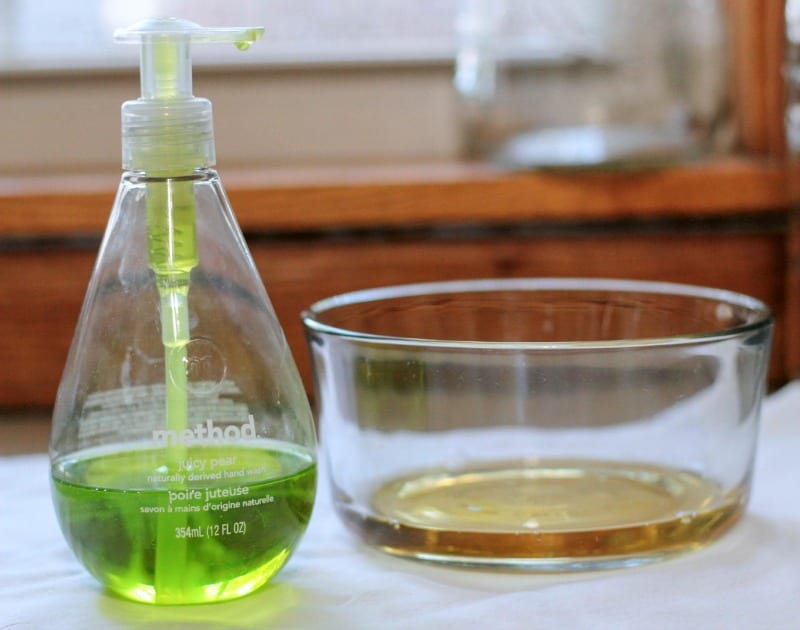
Pour the sugar, corn syrup, and water into a saucepan over moderate heat and stir. Keep stirring until the sugar dissolves and the mixture comes to a slow boil. Reduce heat to low and leave to cook for another minute before removing from the heat. Let it cool for 5 to 10 minutes. It should be thick, shiny, and slightly amber.
Step 3 - Coat the strips:
Line one cookie sheet with parchment paper. Pour your warm syrup in the other sheet. Grab each paper strip by the string and pull it through the syrup to coat both sides. Send the strip through the tines of a fork to remove the excess - no one wants syrup all over the kitchen floor.
Step 4 - Let them dry:
Set the strips on the parchment-lined sheet and leave them for two to three hours. They should end up tacky to the touch but not wet. Don’t use a fan or hairdryer to rush this - the heat reactivates the syrup and you’ll end up with the stickiest mess your counter has ever seen.
Step 5 - Hang and wait:
Your homemade fly paper is ready. Hang the strips in places where you normally see flies swarming and let the sugar do the work of bringing them in. When they land on the sticky surface, they walk all over it trying to escape and realize they can’t leave.
A batch should last 2 to 3 days. Dust and dry air will gradually reduce the stickiness. If you made more than you need, roll the extras in parchment paper and seal them in a zip-top bag - they’ll keep for a couple of weeks.
The Duct Tape Method (Even Faster)
Sometimes you need a fly strip now, not in three hours. Duct tape handles that. Tear off a 12-inch section, hang it sticky side out, and you have a functioning trap. The factory adhesive catches flies all by itself. But if you want to pull them in from across the room, dissolve a tablespoon of sugar in half a cup of warm water, put it in a spray bottle, and give the duct tape a light mist. The sugar scent brings them in; the adhesive does the rest.
Don’t expect it to look good - this is a garage, basement, and barn solution, not a quick prep for dinner guests. And duct tape dries out faster than the corn syrup method, so plan on replacing it daily.
Other DIY Fly Traps Worth Trying
Sticky paper catches whatever lands on it, but for flies that avoid the strips, bait-based traps offer another approach.
- The vinegar trap: An inch of apple cider vinegar in a mason jar, three drops of dish soap to break the surface tension, then plastic wrap over the top with a few small holes punched through using a fork. The aroma of fermenting fruit attracts fruit flies. They squeeze through the holes and sink.
- The bottle trap: Use a plastic soda bottle. Cut the top third off and invert it into the bottom to create a funnel shape. Pour sugar water and a splash of white vinegar into the base. Flies follow the smell down the funnel, then cannot figure out how to walk back up.
- The paper cone trick: Roll a sheet of paper into a cone and insert the narrow end down into a jar of apple cider vinegar with a chunk of soft banana at the bottom. Same idea: easy in, impossible out.
Vinegar traps work well for fruit flies and gnats. For the larger, lazier house flies that knock into your windows all afternoon, sticky fly paper still catches more of them over time.
Where to Hang Your DIY Fly Tape
Placement makes the difference between catching a dozen flies a day and catching nothing. Flies follow warmth, light, and food smells, so position your tape where all three converge.
Inside the house: Next to the kitchen trash can. Above the sink. Beside windows that get afternoon sun. Near pet food bowls. Close to fruit left on the counter. Hang them at least six feet up so nobody walks face-first into a syrup-coated strip - take it from the people who have made that mistake.
Outside: Near exterior doors, beside the outdoor trash cans, around the patio table. Outdoor strips dry out more quickly, so check them daily and swap in fresh ones.
Either way, replace your strips every two to three days. Once the surface gets dry or picks up dust, flies walk right over it.
Why DIY Fly Tape Works (and When It Does Not)
The mechanism behind it is straightforward. Flies detect sweet, fermenting substances from surprisingly far away - entomological research suggests up to a mile in some cases. They land on the coated paper expecting a meal, and the corn syrup adhesive grips their legs with more force than they can generate to pull free.
This is where DIY fly tape reaches its limit: it only catches adult flies. Every strip you set out addresses the symptom, not the cause. A single female house fly lays upward of 500 eggs across her lifetime, usually in damp, decaying organic material in drains that have not been cleaned, under the refrigerator where spills collect, in compost bins, or in a trash bag that sat a day too long.
If you have fresh strips hanging every few days and the fly count is not decreasing, the trap isn’t to blame. Something in your home is feeding the next generation. Start by cleaning drains with an enzymatic cleaner, emptying indoor trash at least twice a week, and checking under sinks and appliances for hidden moisture.
And if you have tried all of that and the flies keep coming? That’s the point where DIY stops being practical. Licensed pest control technicians can locate breeding sites that are not visible to a homeowner, apply treatments that break the fly life cycle at every stage - eggs, larvae, pupae, and adults - and prevent a resurgence. Twin Boro Pest Control provides free inspections and same-day service throughout Bergen County, NJ. We use Integrated Pest Management, which means targeted, family-safe treatments rather than blanket chemical sprays.
Frequently Asked Questions
Can you make your own fly tape?
Yes, you can make your own fly tape, and it takes less time than most people expect. Cut strips from a brown paper bag, coat them in heated corn syrup, sugar, and water, let them dry until tacky, and hang them in problem areas. The whole project takes about 15 minutes once you have gathered your supplies.
Will flies stick to duct tape?
They will, though not as effectively as purpose-made fly tape. A light spray of sugar water on the adhesive side adds scent that draws flies from greater distances. Replace duct tape strips each day since they lose their stickiness quickly.
What is the best homemade fly trap?
It depends on the type of fly. Apple cider vinegar with dish soap works better for fruit flies and gnats. A sugar-and-corn-syrup sticky strip catches larger house flies more reliably - the physical adhesive holds them, while a liquid trap can sometimes let bigger flies escape.
What kills flies instantly with household items?
Most DIY traps catch and hold flies rather than killing them on contact. A spray of equal parts water and isopropyl alcohol with a drop of dish soap kills flies when applied directly, but it only works on flies you can see and reach. For a lasting reduction in fly populations, you need traps combined with sanitation or professional pest control.
When DIY Is Not Enough
A few flies coming in through the screen door in the middle of summer is just part of living in New Jersey. A strip of homemade fly tape handles it. But when they keep showing up despite clean drains, fresh traps, and sealed garbage, something else is going on.
Twin Boro Pest Control has been solving exactly these problems for Bergen County homeowners since the 1970s. Our technicians track down breeding sites - not just the adults buzzing around your kitchen - and eliminate them using Integrated Pest Management.
Call 201-666-5000 or schedule a free inspection. We respond same-day, we guarantee our work, and if pests come back between visits, we come back too - at no additional charge.