




Cockroaches are a sore sight, and most people would go to extreme lengths to rid their homes of these insects. They cause panic, and have, over time, become synonymous with dirt and grime.
What many people don’t realize is that cockroaches are similar to humans in terms of survival. Roaches also need food, water, light, and sleep to survive. Therein lie many hints and tips about how to get cockroaches and other household pests to move location. Making it difficult for them to survive in their current environment is at the heart of cockroach extermination.
Here’s how:

Firstly, Turn Down the Heat
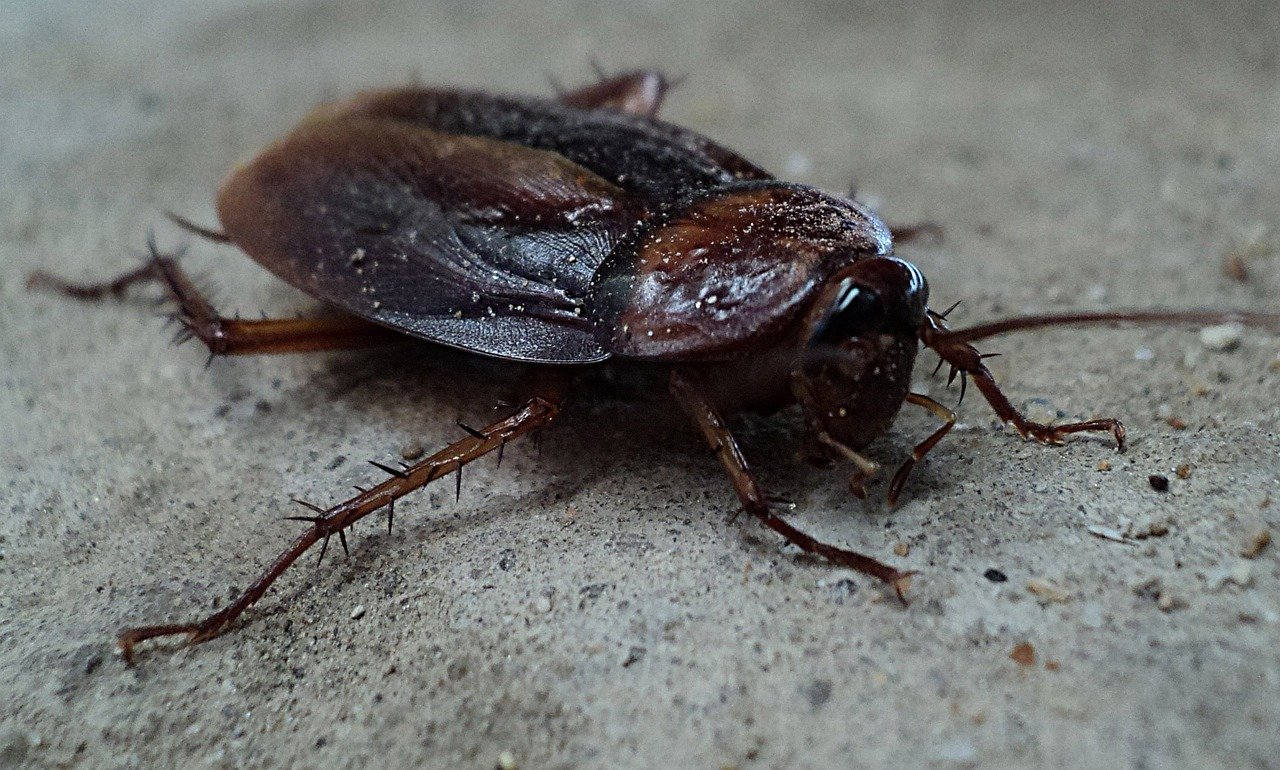
Unlike humans, cockroaches prefer to live in humid and warm environments. In fact, they have trouble surviving when the temperature gets too cold. The ideal temperature for cockroach survival sits between 70-90 degrees Fahrenheit, so turning down your AC for a few days might alert the roaches to the fact that it’s time to move house. In New Jersey, the common cockroach that many people come into contact with is the classic American cockroach. This species in particular enjoys numerous health benefits from the heat, including stronger wing muscles and increased energy. Cooling down your home is a great way to stop roaches from flying and scuttling around, which in turn might make it easier for you to spot and kill them.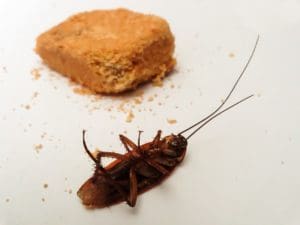
Clean, Clean, Clean
One of the most effective ways to deter cockroaches from entering and living in your home is to ensure that there are no readily available food or water sources for them to feed on. This means deep cleaning your floors in the kitchen and bathroom, as these rooms often provide the perfect living conditions for cockroaches. Keeping clean is a proven method that experts recommend to decrease the likelihood of infestation. A simple sweep of the floors is a good start, but for those who truly panic at the sight of a cockroach, doing a bit extra such as cleaning the inside of dishwashers periodically, never leaving dirty dishes in the sink, and cleaning grime underneath countertops, might be the best route forward. Most importantly, never leave unopened food laying around the house or kitchen. This is a sure-fire way to attract pests, especially food-loving ones such as cockroaches. Be sure to store any leftovers in the fridge Lastly, take your trash out as regularly – don’t let your trash can get too full or overflow.Repair Old Pipes and Prevent Leaks
Cockroaches love water just as much as they love food as water is essential for their survival and breeding. Bathrooms are thus perfect for cockroach habitation as there are often puddles left after showers, in the bottom of the tub, or around the basin. Be sure to wipe any water up after using the bathroom. The problem with cockroaches is that they always need water – they can go days without eating, but without water, they will die. One of the most essential parts of ridding your home of cockroaches is to ensure that you aren’t providing them with a source of water unknowingly. Look around your home and check that all your pipes are watertight and that there are no leaks or drips. Even the smallest drip can attract unwanted insects.Get Rid of Unneeded Cardboard
Cardboard is one of the top nesting materials for cockroaches, along with old wooden furniture and cracks in bathroom walls. If you have any boxes or sheets of cardboard lying around, get rid of them as soon as possible to prevent nesting and breeding. If you leave cardboard lying around you have practically provided a family of roaches with their very own welcome mat!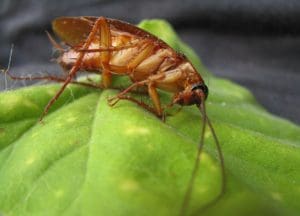
Call In The Pest Control Experts
Despite following all of the tips mentioned above, many people still struggle to prevent and get rid of cockroach infestations in their homes. Roaches are known as pests for a reason, they are not always so easy to get rid of! Twin-Boro knows how to help. Our residential pest control experts specialize in understanding the habits of different species of cockroaches and how to deal with each species specifically. If you have a roach problem that won’t go away, start with a free home inspection. Twin-Boro will identify your main issues and create a treatment plan that will help you and your family to live roach free.